

This is a good read, and Delano hits the nail on the head. All the talk and bs going on about race and discrimination yet no one talks of family, which is key. Marriage is part of family, and it is lacking for both blacks and whites, mostly because of the feminist movement, which considers a man a weakness or disease. Heaven help any woman who states they need a man, which is the current movement. Taylor Swift took heat for showing off her wedding ring at a Chiefs game, all because the left hates marriage.
The lack of marriage in black communities, primarily in major cities, is making many black kids grow up without a father. And unlike the feminists, I believe a kid needs a father. Shame on you women, more worried about self-identity rather than the family. Of all the items discussed about causes, it is amazing that family, or lack thereof, was never part of the discussion. So, basically someone or something is the problem, not lack of family. Give me a break.
Finally, the author hits the nail on the head, and that is welfare, something the DSA is all in on because that is how they control you. Since I’m old, I’ve seen a lot, starting with the humanitarian front pushing welfare, but without a way out, so it’s handed down from generation to generation. Over time, that shifted to work requirements, but it didn’t last long because each party treats it differently. So this goes back and forth. I’m not sure where we are now, but the bottom line is that a safety net is needed, but not a for-life safety net, when one has the capacity to work. And most importantly, we should never fund making babies as a way of support. There has to be a cut-off, but I don’t know where.
The Democrats want to hold blacks down on the plantation to vote as directed in turn for freebies of all kinds, remember mobile phones, no work requirements and any other thing they can give away for votes. This does not help the black community, but very few speak up, although more are beginning to, as racism is really going away. It will always exist, but not as a Democratic talking point because their abuse of the word is like the boy crying wolf. People are tired of listening, so when there is real racism, it could very well be missed. All IMO.
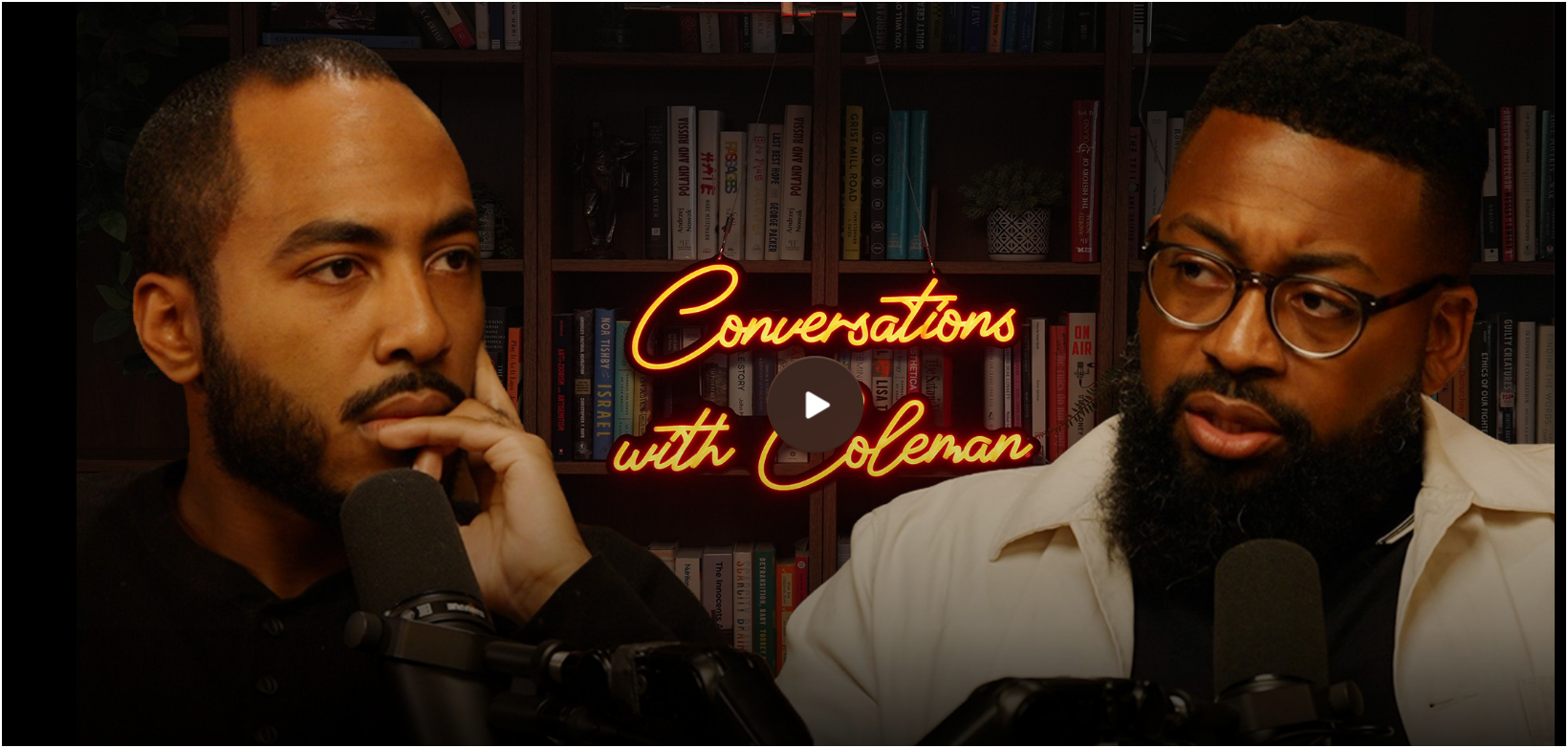
https://www.thefp.com/p/black-family-fell-apart-coleman-hughes-delano-squires
“Delano Squires used to sit in on morning calls with the assistant police chief while working in D.C.’s office of gun violence prevention. He told me it was always the same story: a young black man—sometimes the victim, sometimes the perpetrator—but always the focus. What struck him, looking back, was that when the city later rolled out its plan to address racial disparities, the indicators it tracked—incarceration, employment, education—never once included family structure.
That absence is the spine of his new book, The Vanishing Black Family. His argument is direct: Roughly 70 percent of black children are now born to unmarried parents, more than double the national average, and almost none of the institutions that talk loudest about racial equity—the National Association for the Advancement of Colored People (NAACP), the civil rights organizations, the black media outlets—will touch the subject. I pushed him on the obvious objection: that raising this at all risks stigmatizing single mothers, and he had an answer ready. Nobody worries that promoting college attendance shames parents who never finished high school, he said, because everyone assumes parents want more for their kids than they had themselves. He thinks the same logic applies to marriage.
Where the conversation got genuinely interesting was his account of causation. He doesn’t let slavery off the hook entirely—he’s clear that it deformed the structure of black families for generations. But he rejects the idea that it fully explains what happened later, pointing to census data showing black marriage rates stayed remarkably high for a full century after emancipation, only collapsing in the 1960s. His culprits are more specific and, I think, harder to dismiss than the usual ones: the explosion of welfare spending, which effectively displaced fathers as providers, and the rise of second-wave feminism, which he argues convinced a generation of women that marriage was confinement rather than partnership.
We spent real time on that second claim, since it’s the one likely to generate the most pushback. Squires isn’t arguing women shouldn’t have careers or independence. His point is narrower: that a movement built on convincing women to adopt the worst habits of men—casual detachment, indifference to consequence—was never going to end up pro-family, no matter how it framed itself. Whether or not you buy his full account of how we got here, his central claim is hard to argue with: This is the largest racial disparity in the country, and almost nobody with real institutional power is willing to say so out loud.”